





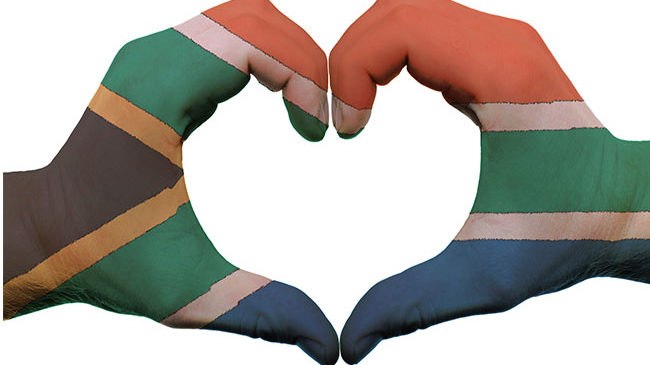
When it comes to supporting brands, South Africans seem, to be particularly loyal. A lot of our country’s best-loved brands have been around for over 50 years, if not already 100, making them an intrinsic part of our shared experiences. The brands that have found a way into our households that are now embedded within our nation’s heritage.
According to a survey done in 2017, among the top 5 most loved brands in South Africa are the names Kiwi, Coca-Cola, Sunlight, Maggi and Koo. But did you know that contrary to what we’ve always thought, three of these five brands are not even South African brands?
Also read: Celebrate: 5 women-founded businesses thriving in the makeup industry
Here are five South Africa heritage-level brands…that aren’t actually ours:
Aromat
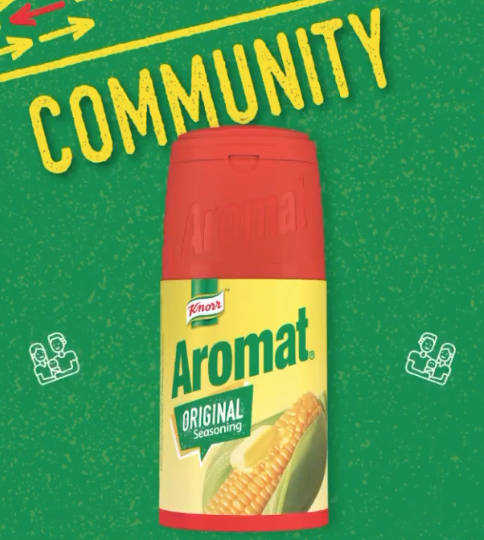
One might argue that Aromat is in fact sprinkled onto our national DNA, an all-purpose spice for a diverse people that hold many purposes. Some families pass heirlooms across generations; others pass recipes incomplete without the finishing touches of an Aromat essence.
Most families grow up with the bright red and yellow shaker in the spice cupboard, standing proudly amidst our national flavours/spices peri-peri, braai spice, curry powder and bay leaves.
But this proudly South African spice is not South African at all. the much-loved seasoning is owned by German food company, Knorr, and hails from Switzerland. It was introduced to the world by Walter Obrist in 1952 and South Africa took to it faster than the Blitzboks in a Sevens game.
Carling Black Label
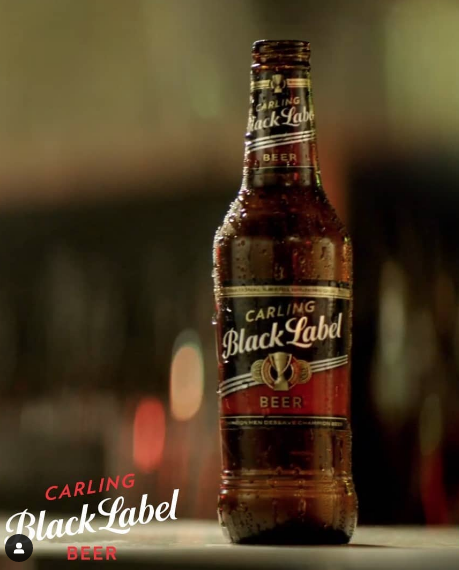
Carling Black Label and dubbed ‘the beer of the South African working man’ has sponsored Kaizer Chiefs and Orlando Pirates’ traditional pre-season friendly since 2011. Two of South Africa’s best-supported local clubs, playing one of the land’s favourite sport, sponsored by one of the country’s favourite beer.
Black Label was actually developed by Canadian Thomas Carling in Ontario in 1840. Originally known as Black & White Lager but rebranded in 1920s. Thank goodness for that.
South African Breweries only began brewing Black Label in the 1960s after buying the rights to brew it here. It has since become a popular fixture in many a music video, pubs, and sports matches too so perhaps it’s understandable why the line became so blurred – or non-existent really.
Sunlight
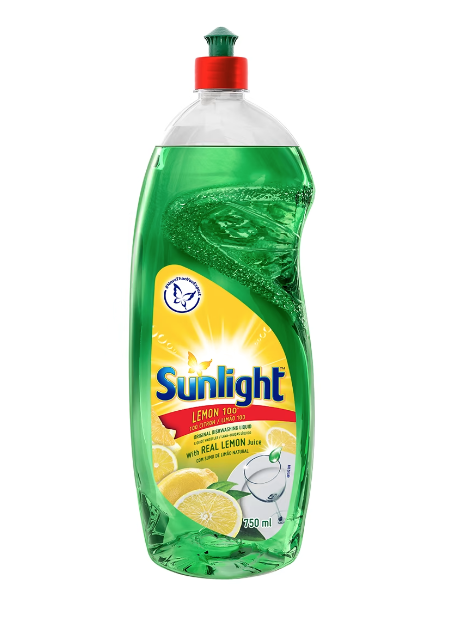
Sunlight soap has been cleaning our dishes, clothings stains, underwear and everything else that can be cleaned in a bucket or ‘zinc’ of warm water for over 100 years. And if not the soap, Sunlight dishwashing liquid with its distinct colour and fragrance has become such a South African icon that our mothers refer to any dishwashing liquid as Sunlight whether it’s a no-name brand or the real deal.
However, recognised as the first packaged soap, Sunlight was founded in late Victorian England by William Hesketh Lever in 1885 during the country’s era of poverty, overcrowding and ill-health. The soap was introduced to South Africa in 1891, and the rest is history.
It’s become such an ubiquitous part of South African daily lives that some have even said the green in the South African flag represents the classic green of Sunlight soap.
Maggi
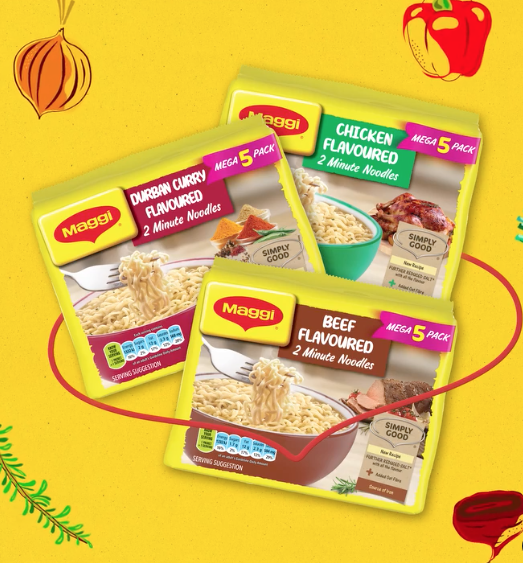
Maggi 2-minute noodles. It’s the taste of childhood days. When we got home ‘starving’ after school Maggi was always there to greet us. When we drove past McDonalds and our parents said “No, there’s food at home,” 2-minute noodles is what they were talking about.
It turns that Maggi was the brainchild of Swiss pasta extroardinaire, Julius Maggi which was later acquired by Swiss-owned Nestlé who would bestow the mighty noodle upon South Africa.
Since then, South Africa and Maggi had pretty much become like the handshake emoji: a seamless agreement. From the packaging to the flavour sachets, Maggi 2-minute noodles were such an instant hit it became part of our vernacular.
And in true South African style we’ve certainly made it our own. Using Julia Maggi’s legacy to celebrate our own heritage with flavours like Durban Curry and Boerewors.
Zambuk
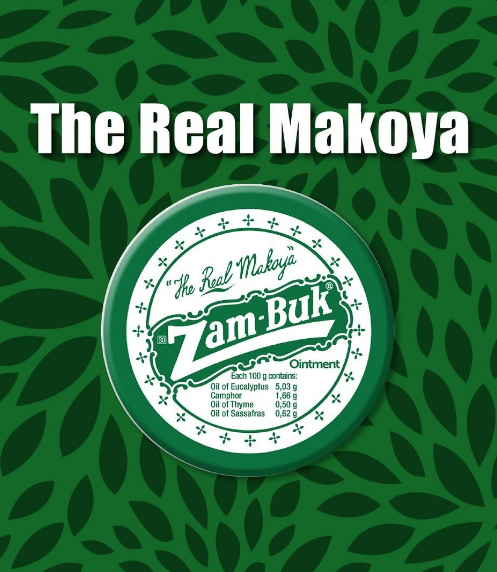
It somehow seems ridiculous to say. Zambuk, South Africa’s favourite Jack-of-all-trades, the real makoya, is not South African at all.
Doubling up as a multipurpose balm and antiseptic ointment, Zambuk was actually first formulated in England in 1902 by the Zambuk Company of Leeds founded by Charles Edward Fulford. While there is a slight suggestion of an unknown link with South Africa regarding the name, that’s where any SA origin begins and ends.
And yet, there’s still no denying that the best of Vicks and Vaseline in one tiny tin will forever hold a place in the hearts of every South African child, teenager, parent and grandparent for years to come. The balm with its signature smell and long-lasting ingredients can soothe anything – regardless of where it comes from.
Also read:
Picture: Cape {town} Etc gallery