




November’s World Vegan Month is an opportunity to explore how familiar ingredients and South African food traditions can be reworked into plant-based dishes.
From a warming amadumbe soup to a dairy-free version of milk tart, a menu shared by ANEW Hotels & Resorts offers ideas for bringing more variety to the table.
The menu was developed by Wayne Blake, Group Food & Beverage Manager at ANEW Hotels & Resorts, alongside his vegan colleague Jed Barendse, a content creator.
Their collection moves from a lychee-based welcome drink to a grilled brinjal main course and a traditional dessert with a plant-based filling.
World Vegan Month was established in November 1994 by Louise Wallis, then-president of The Vegan Society. Since then, the annual observance has become a platform for highlighting vegan food and the lifestyle choices associated with it.
A plant-based menu with South African influences
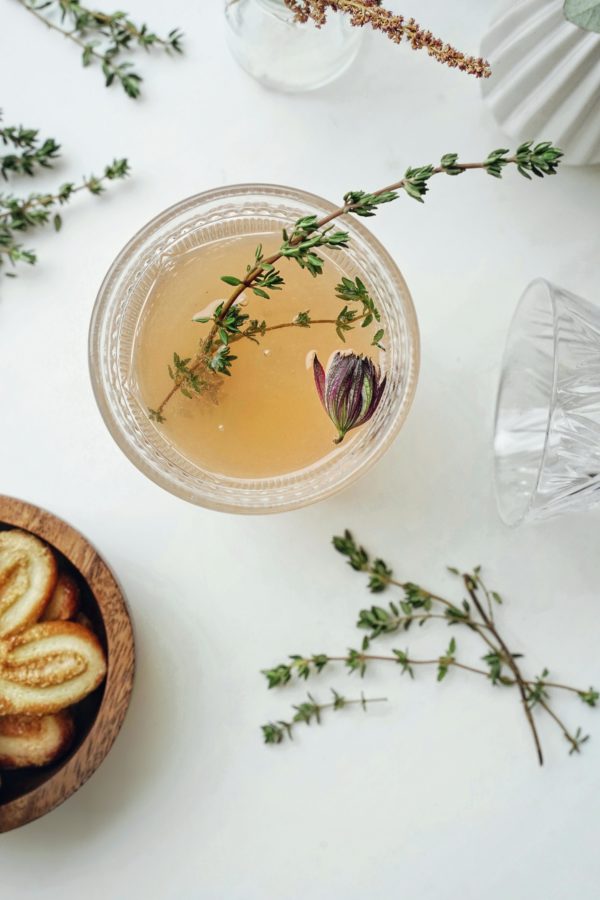
The proposed menu begins with a lychee mimosa, made by draining and crushing canned lychees to release their juice before topping it with sparkling wine.
Whole peeled lychees, fresh herbs or seasonal fruit can be added as a garnish, while frozen lychees offer another way to serve the drink chilled.
For the starter, Blake and Barendse turn to amadumbe, a starchy root vegetable commonly found in KwaZulu-Natal, for a creamy coconut soup.
The recipe combines 500g of peeled and diced amadumbe with sautéed onion, coconut milk and vegetable stock. Once tender, the mixture is blended until smooth and served warm.

The soup is paired with vegan roosterkoek, bringing a familiar South African braai staple into the plant-based spread. The dough is made with flour, instant yeast, salt, sugar, warm water and vegetable oil, then left to rise before being divided into portions and cooked over medium heat. Vegan butter can be added when serving.

For those unable to find amadumbe, the recipe suggests using sweet potato as an alternative.
The main course gives brinjal a starring role, with thick slices prepared as grilled steaks and finished with a sweet, savoury basting sauce.
The dressing combines Amarula Vegan liqueur, tomato paste, Marmite and honey. The brinjals are diamond-scored, seasoned with olive oil, fynbos salt and black pepper, then grilled in a pan, oven or over the braai while being brushed with the sauce.
The glaze is intended to caramelise lightly as the brinjal cooks, with the dish served immediately.

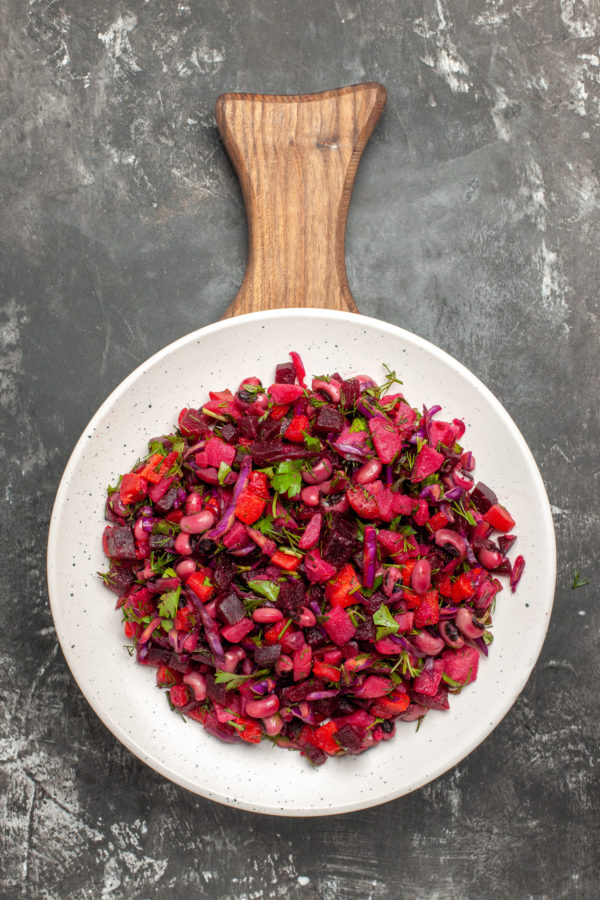
A rainbow beetroot salad adds another combination of seasonal produce to the menu. Around 500g of mixed beetroot is roasted until tender, then sliced or cubed and combined with additional ingredients.
The suggested additions include green apple, pomegranate, pumpkin seeds, red cabbage, butter beans, walnuts, carrots and spring onions, allowing the salad to be adapted to what is available.
Its dressing brings together fresh orange juice, Dijon mustard, olive oil, plant-based maple syrup, crushed garlic, salt and pepper. The mixture is drizzled over the roasted vegetables before serving.
The menu then closes with a vegan condensed milk tart, drawing on a well-known South African dessert while replacing conventional dairy ingredients.
The base is made with flour, salt, cinnamon, nutmeg and maple syrup, with plant-based milk added gradually to form a dough. Once baked until golden, the crust is left to cool.
For the filling, vegan condensed milk is combined with coconut milk, vegan butter, flour, cornflour, vanilla essence and, optionally, almond essence. The mixture is cooked slowly until thick before being poured into the crust and refrigerated for at least two hours.
A dusting of cinnamon finishes the tart before it is served cold.

Amadumbe and roosterkoek bring local food traditions into the starter, while the brinjal main course makes use of the braai as a cooking method. The beetroot salad and condensed milk tart round out the spread with ingredients and dishes that are readily recognisable.
For anyone preparing the recipes, one detail is worth checking: the suggested brinjal dressing includes honey, which is not vegan. A plant-based syrup can be used as an alternative.
Those following a strictly vegan diet should also check that the sparkling wine used in the welcome drink is suitable for vegans.
Be the first to know – Join our WhatsApp Channel for content worth tapping into! Click here to join!
Also read:
Simple sustainable summer tips to a greener Ke Dezemba in South Africa
Picture: Supplied